Showing posts with label India Ratings. Show all posts

Tuesday, September 3, 2019

Cyclical or structural? Decoding the nature of India's economic slowdown

Current Affairs

India’s real or inflation-adjusted gross domestic product (GDP) grew at 5 per cent in the June 2019 quarter of financial year 2019-20 (Q1FY20), the slowest growth in six years (25 quarters). In nominal terms, the growth stood at 7.99 per cent, lowest since December 2002.
With this, fears of the slowdown being a more structural one than a cyclical one have surfaced.
What is a cyclical slowdown?
A cyclical slowdown is a period of lean economic activity that occurs at regular intervals. Such slowdowns last over the short-to-medium term, and are based on the changes in the business cycle.
Generally, interim fiscal and monetary measures, temporary recapitalisation of credit markets, and need-based regulatory changes are required to revive the economy.
What is a structural slowdown?
A structural slowdown, on the other hand, is a more deep-rooted phenomenon that occurs due to a one-off shift from an existing paradigm. The changes, which last over a long-term, are driven by disruptive technologies, changing demographics, and/or change in consumer behaviour.
Dissecting India’s slowdown

 A slowdown in consumption demand, decline in manufacturing, inability of the Insolvency and Bankruptcy Code (IBC) to resolve cases in a time-bound manner, and rising global trade tension...Read More

Monday, June 17, 2019

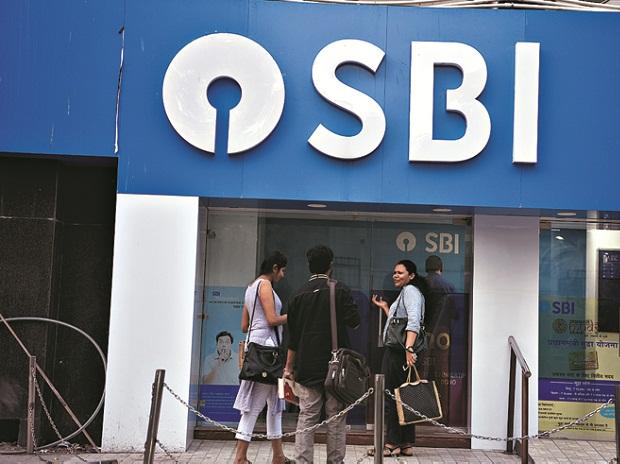
SBI plans to mop up Rs 5,000-crore debt capital via tier-II bonds

Company News

State Bank of India (SBI), the country’s largest lender, plans to raise up to Rs 5,000 crore in debt to shore up capital adequacy and support business growth.
The bank will issue Basel III compliant tier-II bonds to raise debt capital.
India Ratings has assigned ‘AAA’ rating with stable outlook to the proposed bond offering.
SBI remains a better capitalised public sector bank compared to its peers, with a common equity tier-1 (CET1) ratio of 9.62 per cent in FY19 (against 9.68 per cent in FY18). The tier-II capital was 2.07 per cent at end of March 2019 against 2.23 per cent in March 2018.
Its capital adequacy ratio (CAR) stood at 12.72 per cent in March 2019 (against 12.60 per cent in March 2018). SBI is one of the few public sector banks with the ability to raise equity directly from the markets. In December 2018, its shareholders gave nod to raise up to Rs 20,000 crore in equity capital through various instruments, including public offering, private placement and tapping international capital markets.
The rating reflects SBI’s systemically important position, the size of its franchise and strong standalone profile.
The bank would continue to be one of the most important constituents of the Indian banking system, the rating agency said in a statement. The central government owns a majority stake in SBI (57.13 per cent at the end of FY19). During FY14-FY18, the bank received Rs 24,840 crore from the Centre in equity. In FY19, however, it did not receive any equity.

 The rating agency said SBI also has non-core assets that are large profitable enterprises in their own segments and the bank has established a track record of monetising them to raise equity.