Showing posts with label Qatar. Show all posts

Monday, March 18, 2019

Kerala: Migrant labour faces worst effects of post demonetisation slowdown

PTI11_13_2016_000206A

Current Affairs

When illiterate mason Jalaluddin Shaikh sought a better life seven years ago, he journeyed nearly 2,500 km south from his home in Murshidabad, Bengal, to this riverine town in the greater Kochi agglomeration, known for its farm produce, plywood and sundry small-scale industries.

Jalaluddin, 40, had heard stories of the opportunities in prosperous Kerala, and nearly five years, he was happy, earning Rs 22,000 every month at construction sites, saving enough to send Rs 15,000 back home.

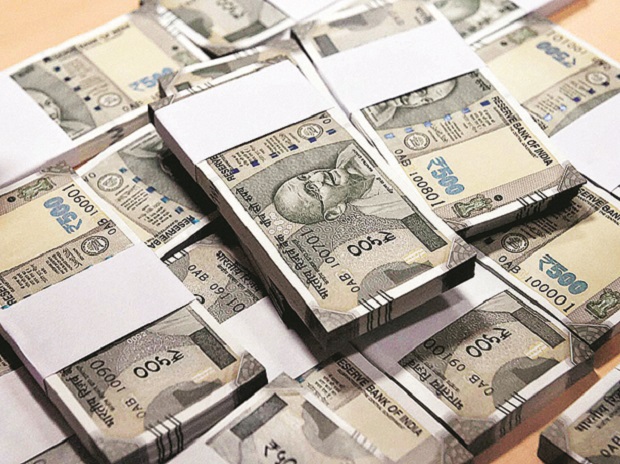
Everything changed on November 8, 2016, when Prime Minister Narendra Modi’s demonetisation order invalidated 86% of India’s currency.

Jalaluddin’s life worsened in June 2017, when the Goods and Services Tax (GST)--widely criticised for its hasty, often chaotic, implementation--came into effect. With the absence of cash and the complexities of the GST, business dropped and uncounted industries closed.

The downturn was exacerbated by tensions in the Arabian Gulf--the source of 36% of Kerala’s income--when many Arab countries turned against Qatar. That crisis was preceded by a general slowdown in the Gulf states since 2010, when the price of oil had dropped. As wages went unpaid and jobs and incomes were lost in the Gulf, Kerala’s construction industry suffered, as did opportunities for migrants in Kerala.


 Here in India’s seventh-richest state by per capita income, 2.5 million of 33 million people--one in 14--were migrants, according to a 2013 study by the Gulati Institute of Finance and Taxation for the Kerala labour department. Mostly manual labour, they sent Rs 17,500 crore home every year. The government now believes about a million migrants are left, a quarter of the number projected for 2018. Although some questions were raised over the study’s accuracy, it is the only available data on migrants like Jalaluddin.

Sunday, February 24, 2019

How Saudi Prince's visit to India indicates Modi's West Asia policy success

Economy & Policy:

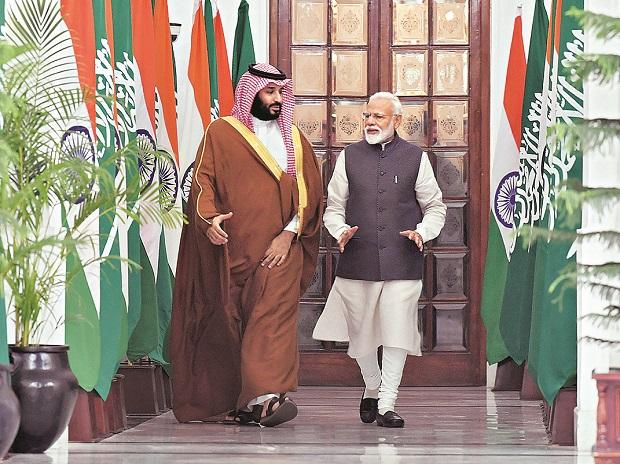
For a moment leave, aside the immediate context that has overshadowed Crown Prince Mohammed bin Salman’s (MBS’s) visit to New Delhi – the Pulwama attack and its Pakistan connection. The visit has actually been very fruitful and is yet another indicator that Prime Minister Narendra Modi’s West Asia policy remains the one area of achievement in an otherwise indifferent record of foreign policy.
That said, it is important to acknowledge that Modi is building on the legacy of his predecessors – Atal Bihari Vajpayee and Manmohan Singh. Balancing relations with Saudi Arabia, Iran, Israel or Qatar is never easy, but New Delhi has managed to do it with considerable success. Instead of torpedoing legacy, as it did in its relationships with China, Pakistan, or for that matter Nepal, the Modi government has built on it.

In some ways this is brought out by the chief guests that India has had for the Republic Day. In 2003 it was President Mohammed Khatami of Iran, in 2006 it was King Abdullah bin Abdul Aziz al-Saud, and in 2017 it was Crown Prince Mohammed bin Zayed al Nahyan.

The reasons for this are not too far to seek. West Asia or the Middle East is the most important external region for India from the point of view of its security and its economy. It is the closest source of hydrocarbons for a country which needs to import them in considerable amounts. Sixty-three per cent of India’s oil imports are from the region, but equally important is that some seven million Indian nationals work in the Saudi peninsula sending back remittances worth $40 billion to the country.


 The strategy of balancing relations in the region were evident in the Vajpayee period, and the UPA government continued the process. In a remarkable interview, one of the first by an Indian prime minister to a Saudi newspaper, Vajpayee described his policy in this way:...Read More